
Review Public Registry Listings for 3512764634, 3408965513, 3313134264, 3382526896, 3201727817

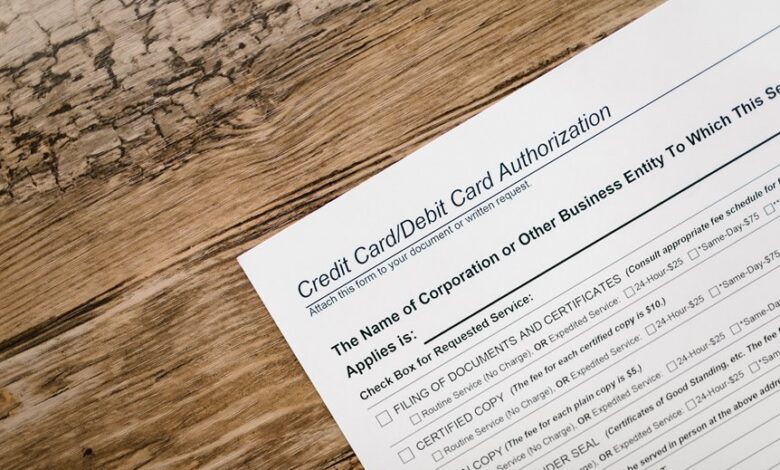
The task is to review Public Registry listings for five identifiers: 3512764634, 3408965513, 3313134264, 3382526896, and 3201727817. It requires examining summaries to verify current status, ownership claims, and verification markers, and to assess custodians and contact points for traceable identity. Attention should be given to activity patterns, updates, or dormancy, and to flag inconsistencies or incomplete trails. A structured, cross-record verification approach will guide the findings and point to potential red flags that warrant further corroboration.
What the Public Registry Reveals at a Glance
The Public Registry shows concise summaries for the listed entity identifiers, highlighting core registration details, status updates, and basic ownership or control notes. The entry sketches identity verification mechanics, emphasizes ownership transparency, notes history flags, and signals cross record verification. Observations remain detached, focusing on verifiable markers, timelines, and compliance indicators, avoiding speculative interpretation while supporting clear, freedom-friendly scrutiny.
Identity and Ownership: Who Holds Each Entry?
Identity and Ownership: Who Holds Each Entry? The registry records indicate current custodians of each entry, with associated ownership claims and contact points. Data show verifiable holders, not mere nominees, enabling traceable identity ownership. Registry transparency is maintained through standardized metadata and timestamps, supporting independent verification while preserving lawful privacy. Conclusions emphasize documented control, ongoing validation, and accessible audit trails for interested observers.
History, Status, and Red Flags to Watch For
What is the current trajectory of each entry, and what indicators define its status? The analysis notes variance in activity, with some records showing recent updates and others dormant.
Red flags include inconsistent identifiers, missing ownership traces, and irregular timestamp patterns. Emphasis on identity verification and ownership tracing informs risk assessment and determines priority for further archival review and corroborating documentation.
How to Verify Across Records: A Practical How-To Guide
To verify across records, practitioners should establish a standardized cross-reference workflow that aligns each entry’s identifiers, timestamps, and ownership traces with corroborating documentation. Verification steps include cross record checks, corroborating metadata, and linked ownership proofs, followed by audit trails detailing changes. This structured approach ensures accuracy, transparency, and traceable accountability while supporting independent review and freedom to verify data integrity.
Conclusion
In the registry forest, each entry stands as a weathered tree with carved marks of ownership. Some trunks bear clear sigils and recent rings, others show gaps where weathered records faded. Custodianship threads weave through cross-referenced bark, each notch a traceable contact point or a missing link. Together they form a map: bumps of activity, quiet dormancy, and cautious red flags. The audit clears paths, but only with corroborating documents can the forest be read with certainty.
