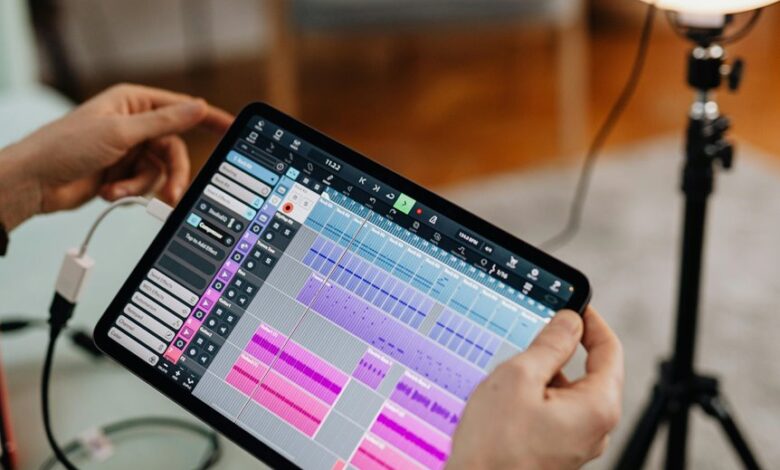
Endbugflow presents a modular, outcome-focused platform for music production. Its streamlined routing, iterative mixing, and robust versioning aim to keep projects organized while accelerating experimentation. The system suits solo work yet scales for bands and collaborators, offering cross-project visibility and clear task separation. If you seek disciplined workflow with predictable costs, it’s worth evaluating. But the decision hinges on how its approach aligns with your goals—a closer look may reveal the fit or the gaps to address.
Is Endbugflow the Right Music-Making Platform for You?
Determining whether Endbugflow is the right music-making platform hinges on core product fit and practical workflow alignment. The evaluation remains data-driven, objective, and outcomes-focused, highlighting ergonomic toolsets, integration coherence, and scalable collaboration. From a results lens, users weigh efficiency gains against learning friction. Sure. Here are two two word discussion ideas about Subtopic not relevant to the Other H2s listed above: Pricing comparisons; Platform reliability.
Core Features That Shape Your Workflow With Endbugflow
Endbugflow’s core features directly shape how users organize, produce, and refine music projects. The platform emphasizes modularity, streamlined routing, and iterative mixing, enabling rapid experimentation without losing structure. Its defining elements foster clear task separation, robust versioning, and cross-project visibility, driving consistent results.
Core features enable scalable collaboration, while workflow shaping remains purposeful, efficient, and adaptable for diverse creative goals.
Who Should Consider Endbugflow: Soloists, Bands, and Collaborators
Is Endbugflow the right fit for solo artists, bands, or collaborative teams seeking a disciplined yet flexible production workflow?
The platform supports soloists seeking precise control and rapid iteration, bands coordinating multi-track sessions, and collaborators aligning schedules, roles, and file sharing.
Its modular tools empower soloists, bands, and collaborators to maintain consistency, reduce friction, and deliver results with creative freedom.
How Endbugflow Stacks Up Against Alternatives
When comparing Endbugflow to competing solutions, the focus is on how its modular workflow architecture translates into measurable production outcomes. Compared to alternatives, Endbugflow emphasizes scalable pipelines, rapid iteration, and transparent costs. Endbugflow pricing is competitive, while the user interface remains approachable yet capable, enabling complex routing without clutter. The result: freedom-driven efficiency without sacrificing technical rigor or control.
Conclusion
Endbugflow emerges as a disciplined, outcome-driven platform for music production, offering modular routing, iterative mixing, and robust versioning that keep projects organized and measurable. It suits solo artists seeking focus and bands needing cross-project visibility, while collaborators benefit from clear task separation and rapid iteration without clutter. In a landscape of competing DAWs, it stacks up by delivering ergonomic solo work with scalable collaboration. Think of it as a lightning-fast, time-traveling mixer—an anachronistic cyborg studio for modern creativity.

