
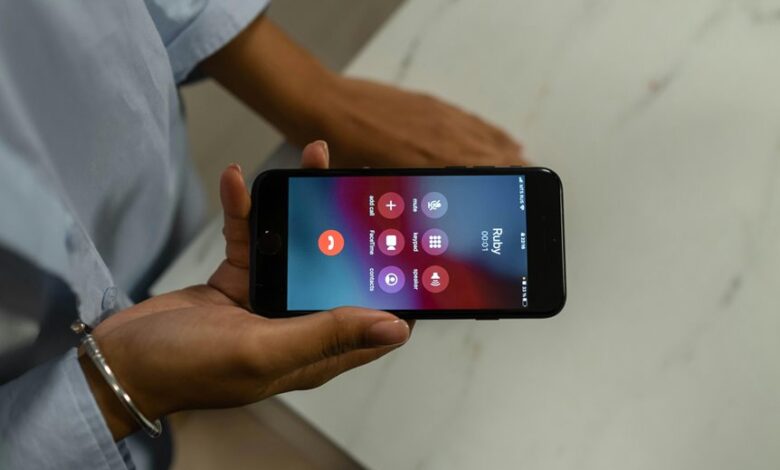
The Caller Safety Resource Portal uses reverse phone lookup to surface spam signals, blending caller ID patterns, call metadata, and user reports into a risk assessment. Nuisance calls are detected through multi-layer screening that weighs timing, volume, geography, and crowd feedback to flag suspicious activity without claiming intent. Practical screening steps help users respond with caution. The approach remains cautious and evidence-based, offering blocking options while inviting scrutiny for further refinement.
What Reverse Lookup Reveals About Spam Signals
Reverse lookup data sheds light on the features and origins of spam signals by linking eerily similar caller IDs to patterns in volume, timing, and geographic dispersion. This method exposes correlations without asserting intent, guiding risk assessment. Analysts emphasize cautious interpretation, noting variability across networks. The goal remains identifying plausible origins and prioritizing user safety through informed, selective remedies. reverse lookup, spam signals.
How Nuisance Calls Are Detected and Flagged
Nuisance calls are detected and flagged through a multi-layered approach that combines real-time analysis with historical patterns. The system evaluates spam signals from call metadata, voice patterns, and reporting trends, then weighs them against crowdsourced data. Alerts emerge when thresholds are breached, enabling swift reviews and flagging while preserving user control and minimizing false positives.
Practical Steps to Set Up Call Screening in the Portal
To implement call screening in the portal, users should begin by locating the screening settings within the main dashboard and confirming the feature is enabled for their account.
The process remains methodical: enable, test, and review call screening benefits while monitoring for false positives.
Privacy considerations guide configuration choices, ensuring data handling aligns with user preferences and regulatory expectations.
Interpreting Crowdsourced Data and Caller IDs Safely
Crowdsourced data and caller IDs can illuminate patterns in call activity, but their reliability hinges on vetting methods and contextual checks. The analysis remains cautious, recognizing variability in self-reported inputs and metadata. When assessing crowdsourced data, distinguishing legitimate crowdsourced data from manipulated signals is essential. Caution is required to prevent mislabeling, misclassification of caller IDs, and erroneous spam signals, mitigating nuisance calls.
Conclusion
The analysis concludes that the portal’s reverse lookup weaves caller IDs, timing, and crowdsourced reports into a multi-layered risk signal, enabling prudent screening without claiming intent. By correlating geography and call patterns with user feedback, it flags dubious activity while preserving privacy. Practitioners are advised to treat warnings as probabilistic guidance, not verdicts. In short, the system shines a cautious light on nuisance calls, helping users filter them effectively—an ounce of prevention, but not a substitute for discernment. It’s front-loaded wisdom.

